

Everything You Need to Know About Potential 2026 Changes to Georgia’s Medical Cannabis Program
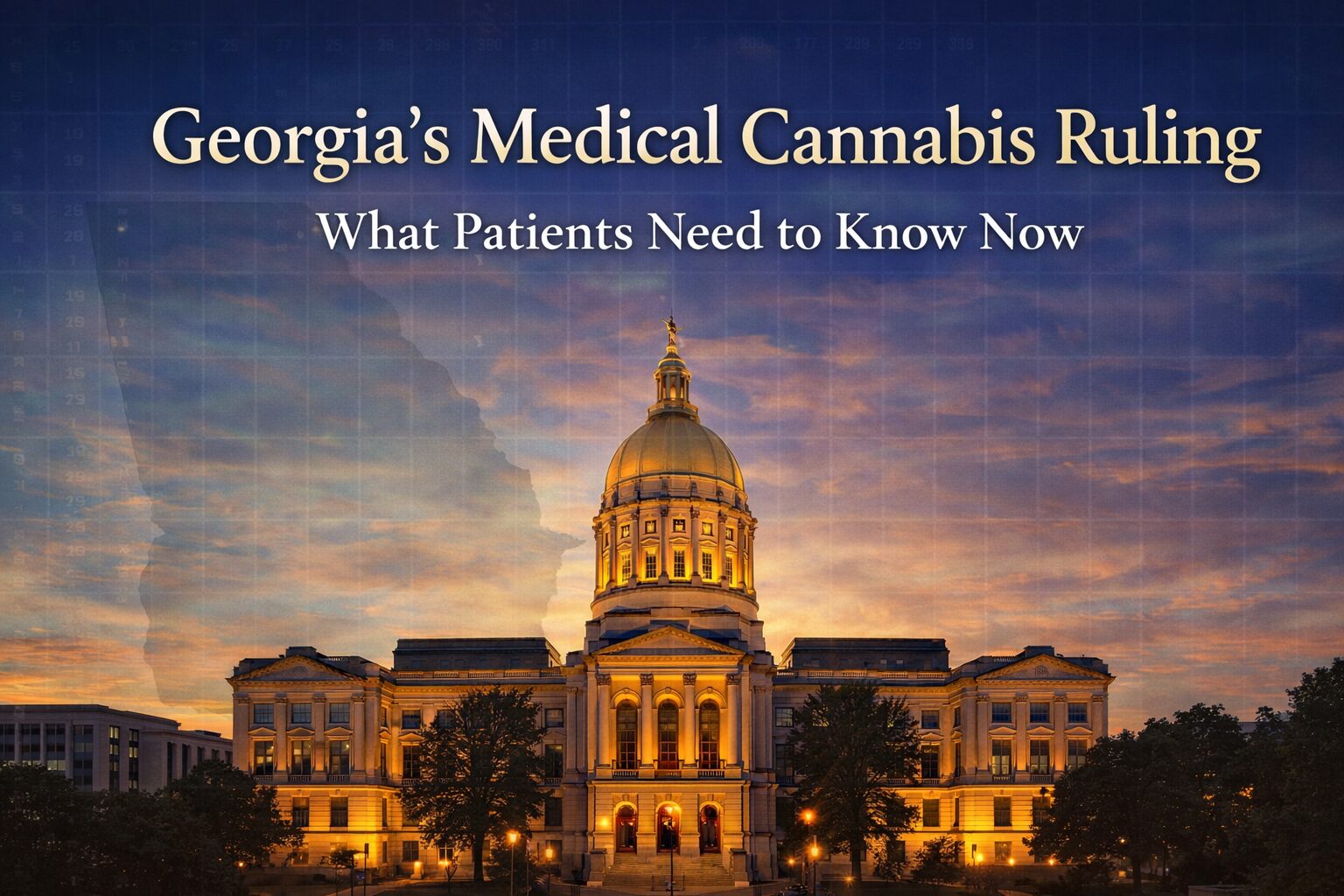
Georgia’s medical cannabis program is entering an active review phase during the 2026 legislative session, which concludes on April 2, 2026. Lawmakers are debating potential updates to how the state defines, regulates, and enforces medical cannabis access under its Low THC Oil framework. While no single decision has finalized outcomes yet, patients who are already registered and compliant under current Georgia law are generally better positioned to navigate regulatory transitions as rules are clarified.
Why This Georgia Ruling Matters More Than It Sounds

Georgia has never treated medical cannabis casually. From the beginning, the state’s approach has been cautious, tightly regulated, and deliberately narrow. That is precisely why the current legislative momentum matters.
When Georgia lawmakers revisit medical cannabis policy, it is rarely symbolic. Adjustments tend to be structural: definitions change, enforcement guidance shifts, and eligibility rules tighten or loosen in ways that directly affect patients.
Right now, Georgia is weighing how its limited medical cannabis framework fits into a rapidly changing reality. Hemp-derived THC products are everywhere. Patients are asking for clearer medical pathways. Regulators are under pressure to draw firmer lines between what is legal, what is tolerated, and what is not.
This is not a distant policy discussion. It is an active recalibration.
An evaluation helps you understand whether you qualify under current law and what documentation looks like before any changes are finalized.
Schedule a Confidential Evaluation with a Georgia-Licensed Physician
What Georgia Allows Today (And Why That Could Change)

Georgia currently permits medical cannabis only through its Low THC Oil Program, overseen by the Georgia Department of Public Health. Qualified patients may legally possess low-THC cannabis oil containing no more than 5% THC by weight, provided the product contains an equal or greater amount of cannabidiol (CBD) and the patient is registered with the state’s Low THC Oil Registry.
Georgia’s definition of “medical cannabis” remains unusually narrow. The program does not permit smoking, raw flower, or broad product categories common in other medical states. Instead, it is designed around tightly regulated oil-based formulations with limited THC content.
As lawmakers revisit the program, discussions have centered around whether this narrow framework still makes sense, particularly as enforcement challenges grow around non-medical THC products.
Any ruling that adjusts definitions, THC thresholds, or qualifying pathways will ripple through the system quickly.
What Is Being Debated Right Now?

While headlines often simplify the situation, the real debate is layered. Lawmakers are not asking a single yes-or-no question. They are examining multiple pressure points at once.
These include:
- Whether Georgia should formally reframe “low THC oil” as medical cannabis under clearer statutory language
- Whether product limitations still align with patient needs and enforcement realities
- How to regulate or restrict hemp-derived THC products without undermining legitimate medical use
- How to protect patients who follow medical pathways while increasing penalties for unregulated distribution
None of these discussions happen in isolation. Changes in one area often require adjustments elsewhere.
Why Patients With Cards Are Better Protected During Transitions
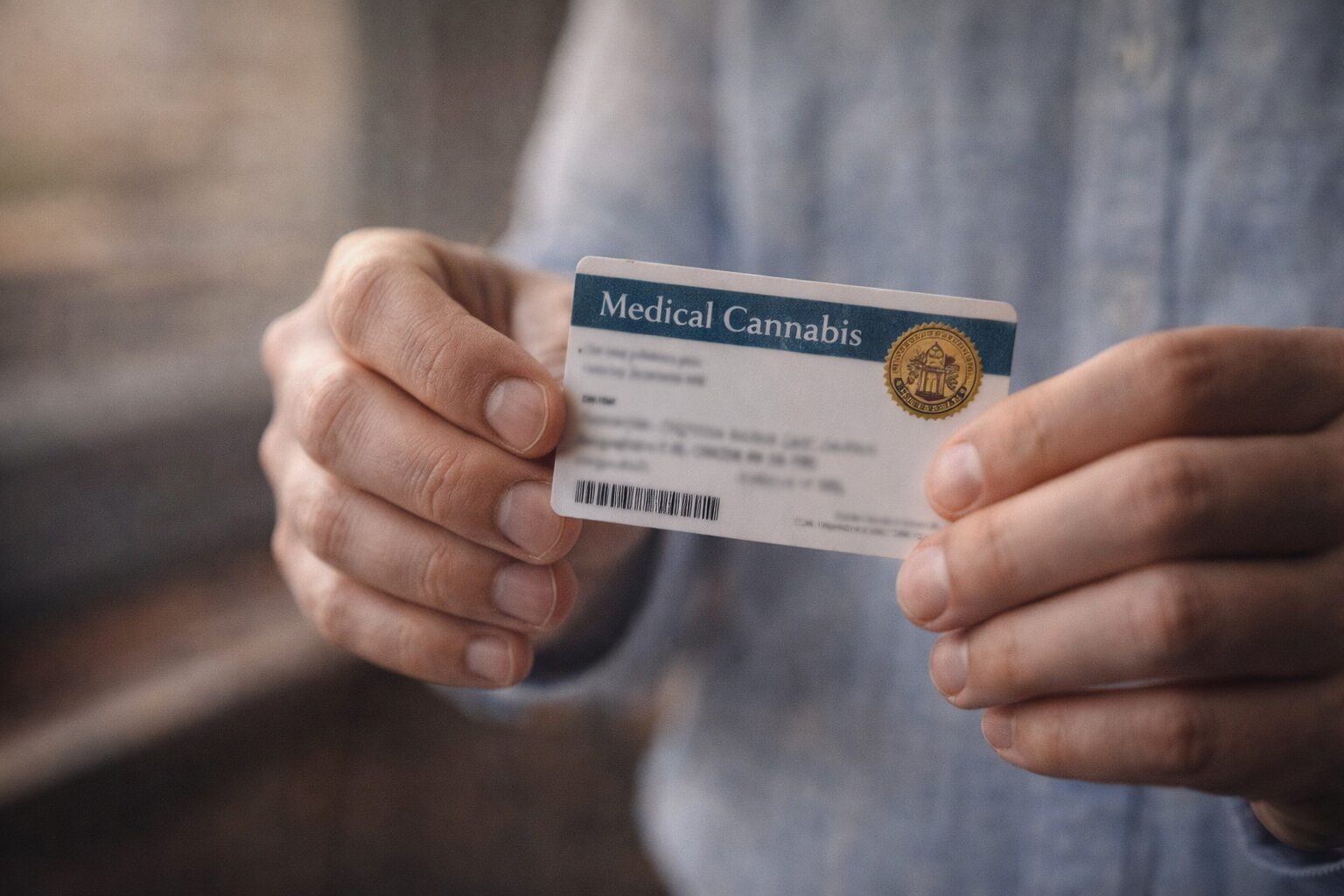
When medical cannabis laws evolve, enforcement guidance often changes before public understanding does. This is where many patients run into trouble.
Historically, patients who are already registered and compliant under Georgia’s medical cannabis framework are less likely to face uncertainty when enforcement guidance shifts. Their medical status is documented, their eligibility has been reviewed by a physician, and their participation falls within the state’s defined program limits.
While a medical card does not override Georgia law or permit unapproved products, it does help clearly distinguish lawful medical participation from unregulated use , a distinction that becomes more important during periods of regulatory clarification.
Patients who wait, assume, or rely on informal products often discover too late that legal clarity matters most during periods of transition.
In practical terms, having a valid medical cannabis card establishes a paper trail that distinguishes medical use from everything else. That distinction becomes especially important when lawmakers and regulators begin drawing firmer lines.
Already thinking about medical cannabis—but unsure where you stand legally?
MMJ Health helps patients establish medical documentation under Georgia’s current Low THC Oil Program before regulatory lines shift.
Check Your Eligibility with MMJ Health
How the Georgia Ruling Could Affect New Patients

If Georgia expands or clarifies its medical cannabis program, demand for evaluations and registrations is likely to increase. If enforcement tightens around unregulated THC products, patients without formal documentation may face greater risk.
In both scenarios, timing matters.
Medical evaluations are not instantaneous approvals. They involve physician review, eligibility determination, and state registration. Waiting until after a ruling is finalized can mean longer processing times, more competition for appointments, and less flexibility.
Patients who complete evaluations early are not predicting the outcome. They are preparing for it.
Is Medical Cannabis Legal in Georgia Right Now?

Yes , but only within clearly defined limits.
Medical cannabis is legal in Georgia only for patients who:
- Have a qualifying medical condition
- Are evaluated and certified by a Georgia-licensed cannabis physician
- Are registered with Georgia’s Low THC Oil Registry and hold an active state-issued card
Anything outside those parameters remains illegal under state law. Georgia’s program is tied to Georgia residency and Georgia-issued registration, and it does not permit smoking or unapproved product forms.
Understanding these guardrails should be a prime priority, especially during periods when public discussion around cannabis expands faster than the law itself.
Why Acting Early Makes Practical Sense

With Georgia’s 2026 legislative session approaching its conclusion, patients who wrap up their medical evaluations before the April 2, 2026, session end (Sine Die) are set up perfectly to navigate any changes with documentation already in place.
Urgency does not always come from deadlines. Sometimes it comes from uncertainty.
When laws are stable, patients have time to learn, compare, and decide. When laws are under review, clarity becomes a moving target.
Acting early allows patients to:
- Lock in medical eligibility under current rules
- Establish legal documentation before enforcement guidance changes
- Avoid rushed decisions after outcomes are announced
- Move forward with accurate medical advice rather than speculation
This is not about fear. It is about foresight.
Prefer to understand your eligibility before navigating the process alone?
MMJ Health offers medical cannabis evaluations designed to help Georgia patients move forward with clarity, compliance, and proper documentation especially ahead of potential 2026 policy changes.
Scheduling an evaluation does not require immediate commitment. It gives you physician guidance and documentation early, before demand increases.
Schedule Your Medical Cannabis Evaluation with MMJ Health
How to Get a Medical Cannabis Card in Georgia
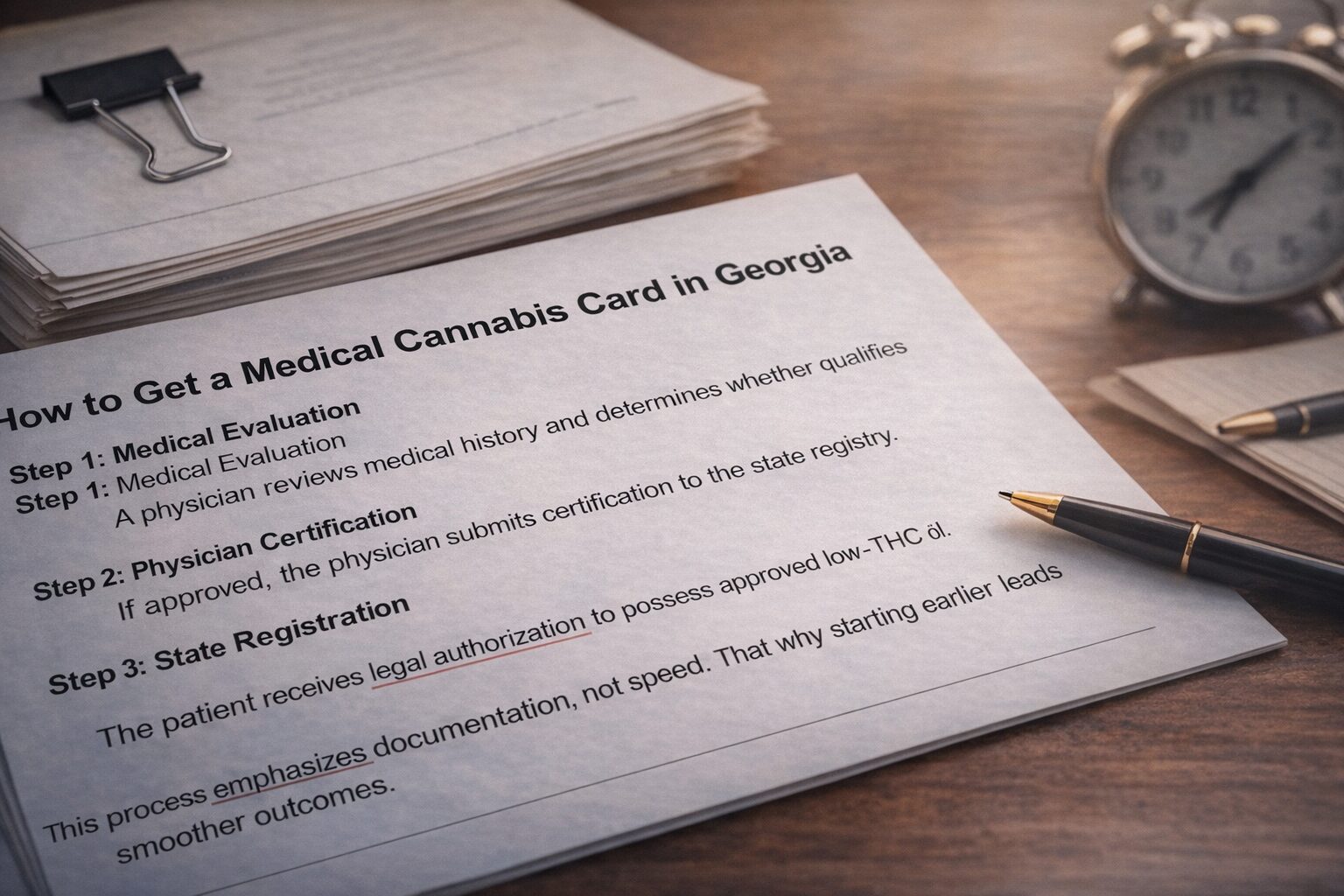
Step 1: Medical Evaluation
A Georgia-licensed physician reviews the patient’s medical history and determines whether they qualify under current state law.
Step 2: Physician Certification
If approved, the physician submits certification to Georgia’s Low THC Oil Registry.
Step 3: State Registration and Documentation
Patients complete the required state waiver, submit payment, and receive legal authorization to possess approved low-THC oil. Once payment is processed, cards are issued and shipped, typically within several business days.
This process prioritizes documentation and compliance, not speed, which is why starting earlier often leads to smoother outcomes.
What Patients Should Avoid During This Period

Periods of regulatory attention tend to expose grey areas. Patients should be cautious about:
- Assuming hemp-derived THC products are always legal
- Relying on informal advice from non-medical sources
- Waiting for “final news” before taking any action
Medical cannabis law is not shaped by headlines alone. It is shaped by statutes, definitions, and enforcement guidance that often lag behind public conversation.
Final Takeaway: Preparation Is Not Panic

Georgia’s upcoming medical cannabis ruling does not mean immediate legalization or sudden prohibition. It means clarification.
Clarification rewards patients who are informed, documented, and compliant. It disadvantages those who rely on assumptions.
If you believe medical cannabis may be part of your care plan, the most stable moment to act is often before uncertainty resolves.
Take the Next Step With Clarity
Georgia’s medical cannabis program is under active review during the 2026 legislative session, a period that often brings increased attention, questions, and demand. Historically, when regulations are clarified or updated, appointment availability tightens, and processing timelines lengthen as more patients attempt to act at once.
For patients who believe medical cannabis may play a role in their care, the most stable moment to move forward is often before legislative outcomes are finalized, not after.
MMJ Health offers medical cannabis evaluations designed to help patients:
- Understand eligibility under the current Georgia law
- Establish documentation ahead of regulatory changes
- Avoid last-minute decisions during periods of heightened demand
- Move forward with physician-guided clarity rather than assumption
Scheduling an evaluation does not require immediate commitment. It allows patients to secure medical guidance and documentation before uncertainty resolves.
Schedule your medical cannabis evaluation with MMJ Health before the conclusion of Georgia’s 2026 legislative session to avoid the post-announcement rush.
