
Florida accepts 50+ medical conditions for medical marijuana cards under Florida Statute 381.986 and Florida Constitution Amendment 2 (Article X, Section 29). Qualifying conditions include cancer, epilepsy, glaucoma, HIV/AIDS, PTSD, ALS, Crohn’s disease, Parkinson’s disease, multiple sclerosis, chronic pain, anxiety, arthritis, migraines, ADHD, IBS, and terminal illnesses. Any Florida resident with a qualifying diagnosis from a physician registered with the Florida Office of Medical Marijuana Use (OMMU) can apply.
Regulated by: Florida Department of Health, Office of Medical Marijuana Use (OMMU) | Legal framework: Florida Statute 381.986, Florida Administrative Code 64ER23 | Updated March 2026
Obtaining a medical marijuana card in Florida requires fulfilling specific criteria established by Florida Statute 381.986 and codified in Florida Administrative Code Rule 64ER23. You must be a Florida resident and diagnosed with a qualifying medical condition by a physician registered with the state’s Medical Marijuana Use Registry through the Florida Office of Medical Marijuana Use (OMMU). After an in-person examination, the physician will enter your certification into the Medical Marijuana Use Registry if you qualify. You then complete an online OMMU application, provide identification and residency proof, and pay the $75 annual state fee.

| Legal Authority | Florida Statute 381.986, Amendment 2 (2016) |
|---|---|
| Qualifying Conditions | 50+ conditions, including the 9 core Amendment 2 conditions |
| Regulatory Agency | Florida Department of Health, Office of Medical Marijuana Use (OMMU) |
| Total Cost | $225–$325 for the first year (physician: $150–$250 + state fee: $75) |
| Timeline | Typically 7–14 days, with approval often issued within 5–10 business days |
| Active Patients | 25,000+ registered Florida patients (2026) |
| Purchase Limit | Up to 2.5 oz of smokable marijuana per 35-day rolling period |
9 Core Debilitating Conditions (Florida Amendment 2, Section 29(b)(1))
These conditions are explicitly enumerated in Florida’s constitutional amendment:ALS (Amyotrophic
Lateral Sclerosis)
Cancer
Crohn’s Disease
Epilepsy
Glaucoma
HIV/AIDS
Multiple Sclerosis
Parkinson's
Disease
PTSD Medical Marijuana and PTSD
Physician Discretion Under Florida Statute 381.986(1)(b): Florida law permits physicians to certify “medical conditions of the same kind or class” as the nine core conditions, “terminal conditions” where the patient has a life expectancy of less than one year, and “chronic nonmalignant pain” caused by a qualifying condition. This statutory provision significantly expands the scope of qualifying diagnoses beyond the nine explicitly named conditions.
While Florida Amendment 2 initially outlined nine qualifying medical conditions for medical use of marijuana, physician discretion under Florida Statute 381.986(1)(b) has broadened access significantly. Patients suffering from a wider range of debilitating conditions can now seek potential relief through medical marijuana certification. This includes individuals with chronic pain, anxiety disorders, arthritis, autoimmune conditions, and neurodegenerative diseases.
Minors in Florida can access medical marijuana under specific guidelines and restrictions. Firstly, they must have a qualifying medical condition and be registered with the state’s Office of Medical Marijuana Use (OMMU). This requires a qualified physician registered with the program to diagnose them and submit their information. Additionally, written consent from a parent or legal guardian is mandatory before the OMMU issues an ID card.
Crucially, minors cannot purchase or administer medical marijuana themselves. A designated caregiver, who must be at least 18, is responsible for these tasks. This caregiver must undergo background checks and complete training before obtaining their own Medical Marijuana Use Registry ID card. Importantly, they are strictly prohibited from receiving any compensation beyond reimbursement for expenses.
Florida law imposes further limitations. Minors cannot purchase smokable flowers, and only specific low-THC cannabis products or other approved delivery methods are allowed. The caregiver must possess and administer the medication directly, ensuring it’s used safely and according to the doctor’s recommendations.
Obtaining a Florida medical marijuana card involves gathering specific documentation to prove your eligibility and identity. Here’s a breakdown of the essentials:
Florida Driver’s License or State ID: This serves as the primary proof of residency.
Utility Bill: A recent utility bill (electric, water, etc.) with your name and Florida address reinforces your residency claim.
Lease Agreement or Deed:If you rent or own your home, provide a copy of your lease agreement or deed.
Passport-Style Photo: : Submit a recent passport-sized photo meeting specific size and format requirements.
Social Security Card: While not used for verification, it’s required for application purposes.
Unlock the healing potential of medical marijuana in Florida by securing your Medical Marijuana Card effortlessly. Begin your journey by scheduling a convenient appointment with our qualified physicians, who specialize in evaluating eligibility for this transformative therapy. Our streamlined process ensures a hassle-free experience—simply complete your appointment, and our knowledgeable healthcare professionals will assess your qualifications.
With approval, you’ll receive your official Medical Marijuana Card, granting you legal access to appropriate treatment for your qualifying conditions. We prioritize your well-being and provide a supportive environment to explore this alternative avenue for managing chronic ailments. Our dedicated team is committed to guiding you through the entire process and answering any questions you may have.
Don’t let the complexities deter you—our user-friendly approach makes the entire journey seamless. Take the first step towards a healthier, more holistic lifestyle by scheduling your appointment now. Join countless others who have embraced the benefits of medical marijuana and embark on a path to enhanced well-being with the ease of acquiring your Medical Marijuana Card in Florida


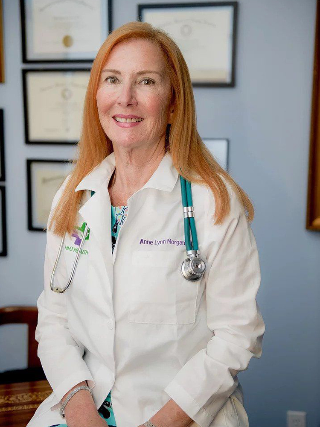
Experience: 32+ years in family medicine; former Medical Director for United Health, Humana, and Metropolitan Health.
Specialties: Medical Marijuana Medicine, Family Medicine.
Patient Approach: Personalized treatment plans tailored to individual needs and goals.
Medical School/Certifications: Board-certified by the Society of Cannabis Clinicians and the American Academy of Cannabis Medicine; Diplomate of the American Academy of Family Physicians.
Experience: 30+ Years in Holistic Medicine, Former Founder & Medical Director of Women for Women; Co-Founder of P.L.A.N.T.S. for Lyfe; Public Speaker & Educator in Medical Cannabis
Specialties: Cannabis Advocate, Educator, Consultant
Patient Approach: Advocates for holistic and plant-based treatments, emphasizing patient education in cannabis medicine.
Medical School/Certifications: Emory University School of Medicine; certified by The Medical Cannabis Institute.
Experience: 47 years of medical practice specializing in gynecology and pelvic pain management.
Specialties: Gynecology, Pelvic Pain Management, Medical Marijuana Medicine.
Patient Approach: Expertise in managing complex gynecological conditions with cannabis-based treatments.
Medical School/Certifications: Thomas Jefferson College of Medicine; DEA Certified.
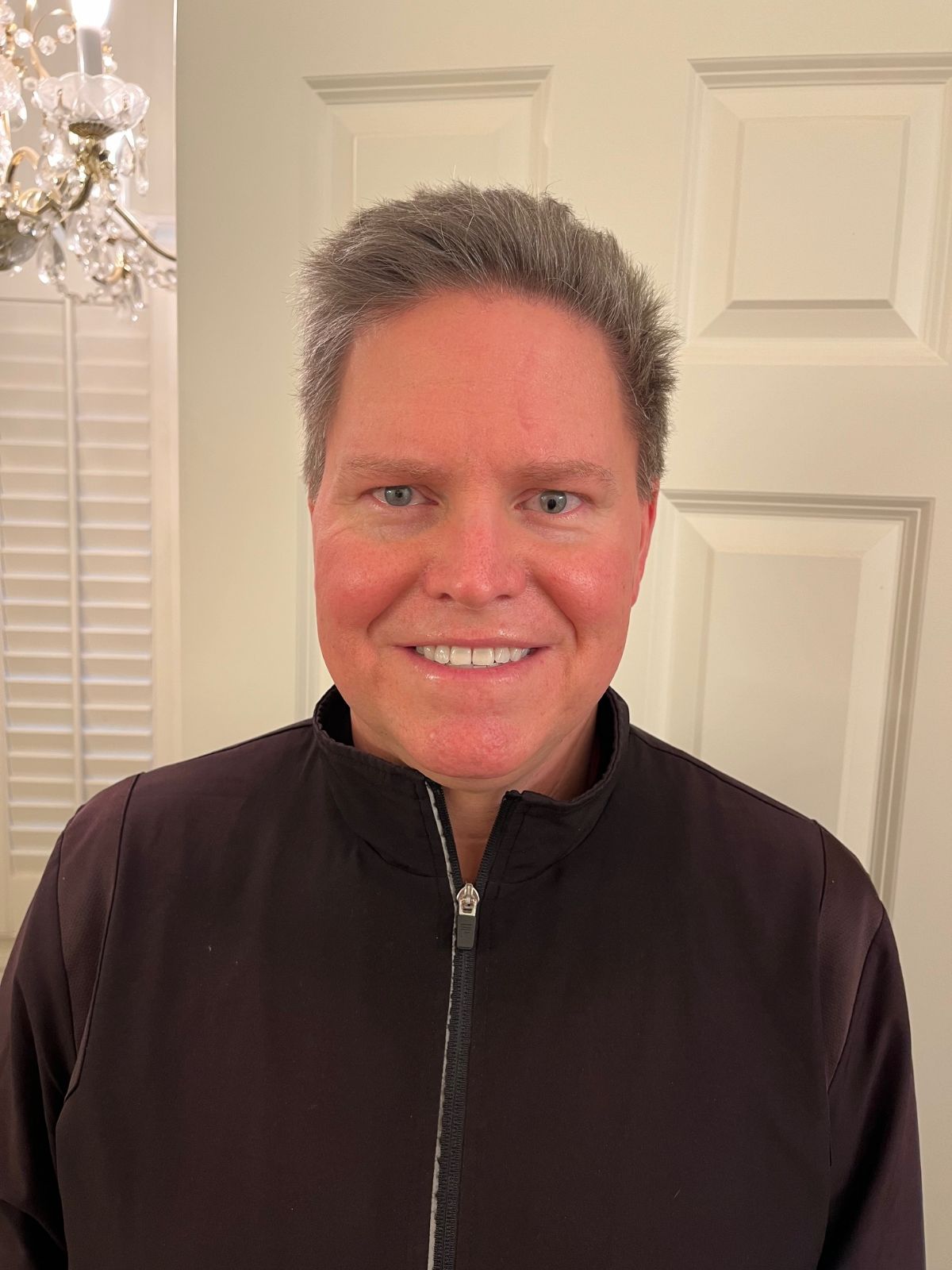
Experience: Over 14 years in urgent care, chronic care management, and telehealth.
Specialties: Emergency Medicine, Pain Management, Chronic Care.
Patient Approach: Comprehensive care addressing chronic pain and urgent medical needs.
Medical School/Certifications: Michigan State University Residency in Emergency Medicine.
Experience: Extensive background in Internal Medicine and Medical Marijuana Medicine.
Specialties: Internal Medicine, Medical Marijuana Medicine.
Patient Approach: Focused on improving health outcomes through cannabis-based therapies.
Medical School/Certifications: Rutgers New Jersey Medical School; Board-certified in Internal Medicine.
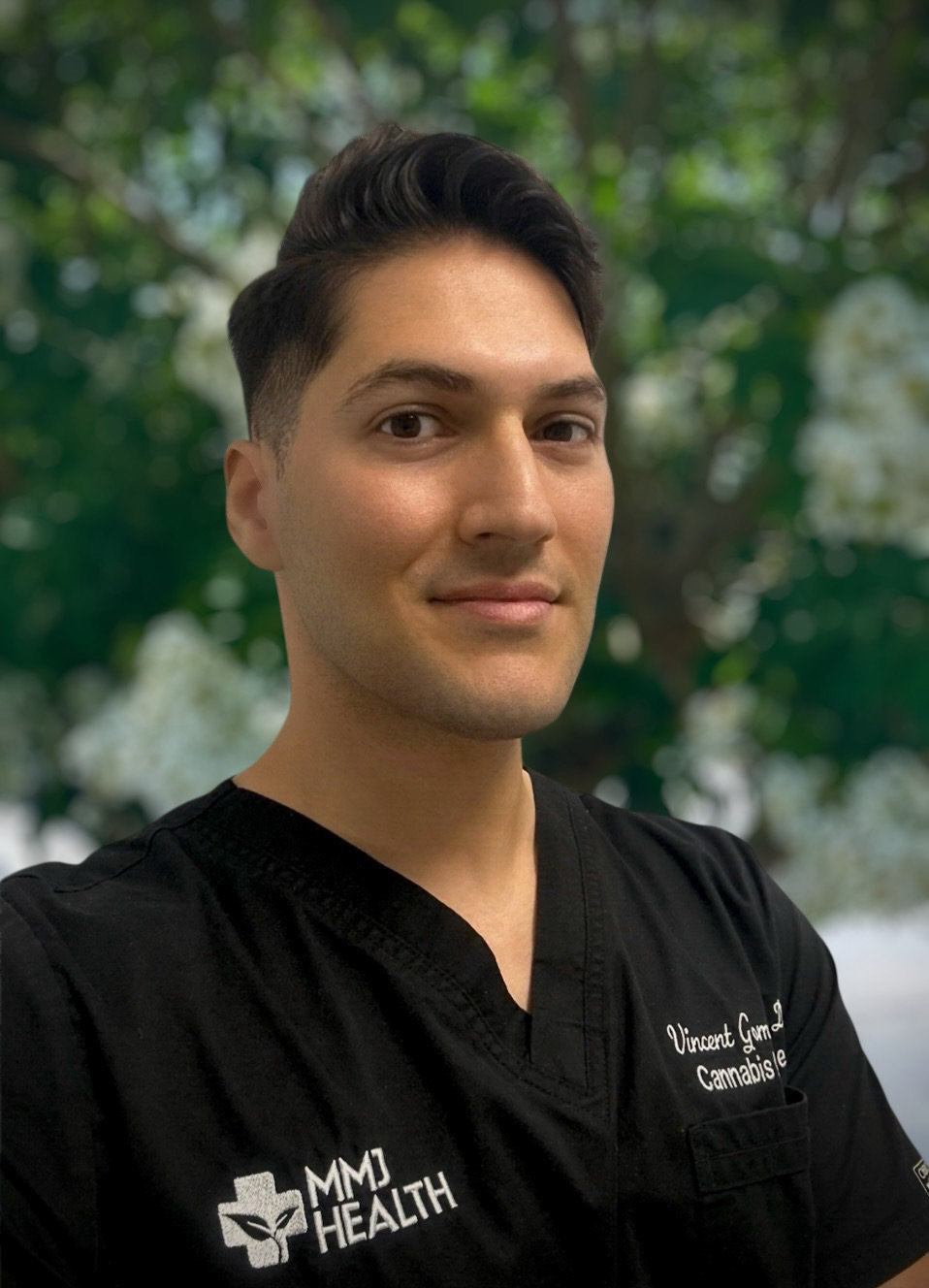
Experience: Trained in Internal Medicine; residency completed at NYU Langone Hospital—Suffolk.
Specialties: Internal Medicine, Medical Marijuana.
Patient Approach: Comprehensive and compassionate care centered around individual patient needs.
Medical School/Certifications: Graduate of Xavier University School of Medicine; certified in Medical Marijuana treatment.

Florida qualifies 50+ conditions under Florida Statute 381.986 and Amendment 2. The nine core constitutional conditions are cancer, epilepsy, glaucoma, HIV/AIDS, PTSD, ALS, Crohn’s disease, Parkinson’s disease, and multiple sclerosis. Additionally, physicians can certify chronic pain, anxiety disorders, arthritis, fibromyalgia, migraine, IBS, ADHD, depression, insomnia, and terminal illnesses under the ‘same kind or class’ provision in Florida Statute 381.986(1)(b).
Yes. Chronic pain qualifies under Florida Statute 381.986 as ‘chronic nonmalignant pain’ that persists beyond the usual course of normal tissue healing (typically 90+ days). This includes chronic back pain, arthritis pain, neuropathic pain from diabetic neuropathy, fibromyalgia, complex regional pain syndrome, and migraine headaches. Physicians registered with the OMMU can certify chronic pain patients for medical marijuana treatment.
Yes. Anxiety disorders qualify for Florida medical marijuana under physician discretion as conditions ‘of the same kind or class’ as PTSD per Florida Statute 381.986(1)(b). This includes generalized anxiety disorder (GAD), panic disorder, social anxiety disorder, and agoraphobia. Florida-registered physicians can certify anxiety patients when they determine medical marijuana offers therapeutic benefit.
Total first-year cost is $225-$325. This includes the physician consultation fee ($150-$250, varies by clinic) plus the Florida OMMU annual state registration fee ($75). Renewal costs are $99-$149 for physician re-certification every 210 days plus $75 annual OMMU card renewal.
The typical timeline is 7-14 days from initial physician appointment to purchasing at dispensaries. Breakdown: Physician appointment (Day 1), physician enters certification into OMMU Registry (same day), patient completes OMMU online application (Day 1-2), Florida Department of Health OMMU processes and approves application (5-10 business days average), patient receives approval email and can purchase immediately, physical card arrives via USPS (7-14 days total but not required to purchase).
Medical records are recommended but not legally required under Florida Statute 381.986. Florida-registered physicians can certify qualifying conditions based on in-person physical examination, patient medical history, and clinical judgment. However, previous diagnosis documentation (specialist reports, imaging results, prescription history, hospital records) strengthens your application and helps physicians make informed certification decisions. If you have relevant medical records, bring them to your appointment.
No. Under federal law (18 USC 922(g)(3) and 21 USC 802), medical marijuana patients cannot legally purchase or possess firearms. ATF Form 4473 (required for all firearm purchases) asks if you are an ‘unlawful user of marijuana or any depressant, stimulant, narcotic drug, or any other controlled substance.’ Since marijuana remains a Schedule I controlled substance under the federal Controlled Substances Act, medical marijuana patients must answer ‘yes,’ which prohibits firearm purchases. This federal restriction supersedes Florida state law protections under Amendment 2.
Yes, in most cases. Florida Amendment 2 (Article X, Section 29) does not require employers to accommodate medical marijuana use in the workplace. Florida remains an at-will employment state, and employers can maintain drug-free workplace policies under Florida Statute 440.102. Employers can terminate employees who test positive for THC metabolites on drug screening, even with a valid Florida medical marijuana card. However, employer policies vary. Safety-sensitive positions (DOT-regulated transportation, healthcare, aviation, heavy equipment operation) typically enforce zero-tolerance THC policies.
Reciprocity varies by state. Some states with medical marijuana programs accept out-of-state medical marijuana cards (Oklahoma, Maine, Nevada, New Hampshire, Rhode Island, Michigan, Arkansas), while most do not. Florida does NOT accept out-of-state medical marijuana cards—only Florida-issued OMMU cards are valid for purchasing at Florida Medical Marijuana Treatment Centers. CRITICAL: Never transport marijuana across state lines under any circumstances, even between two states where marijuana is legal. Interstate marijuana transportation violates federal law (21 USC 841) and constitutes drug trafficking.
