

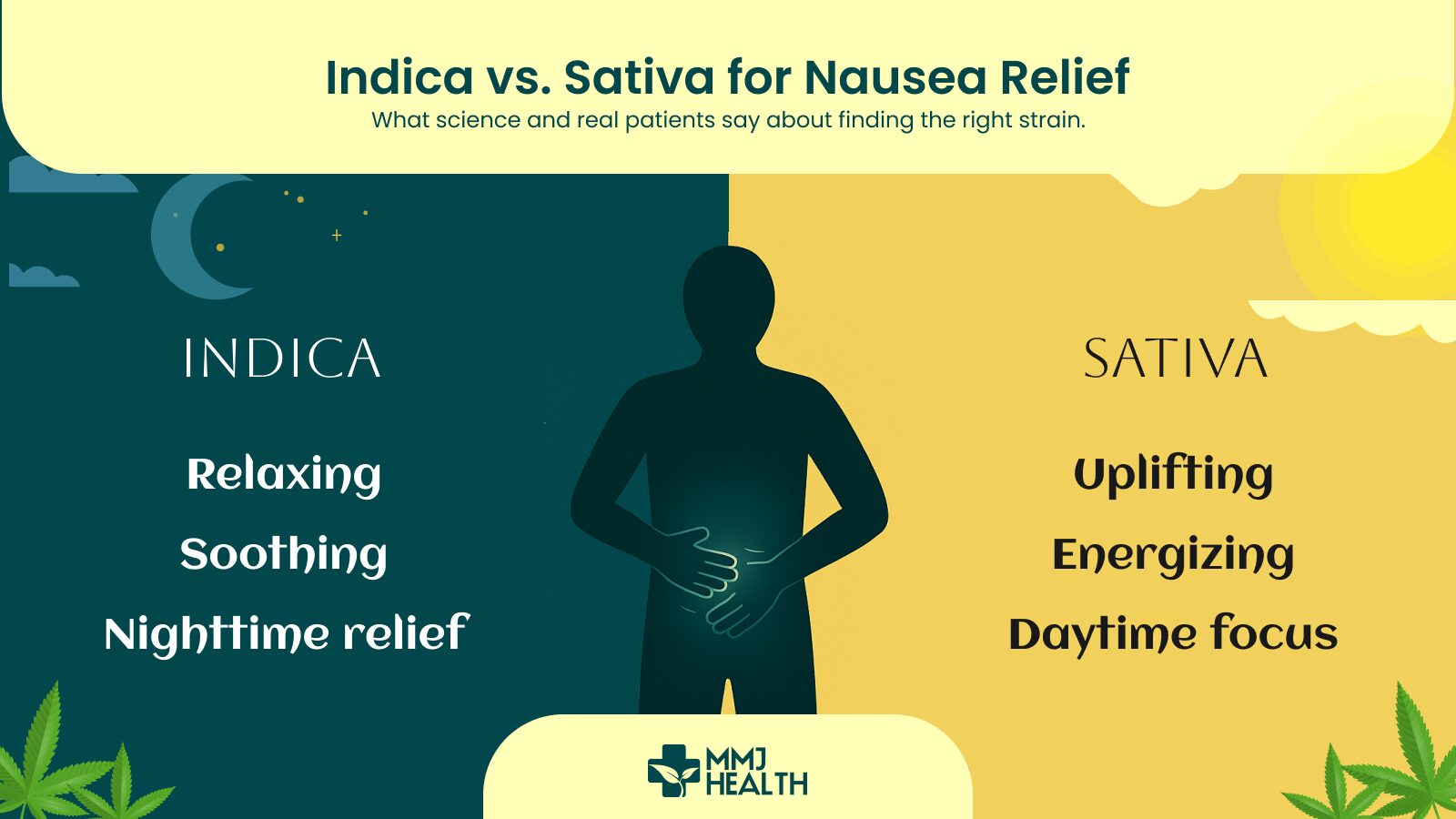
Is Indica or Sativa Better for Nausea?
Ever had that sudden wave of nausea that makes everything stop — your plans, your appetite, your focus?
We see this often at MMJ Health — people who’ve tried everything from prescription meds to herbal teas, still searching for steady relief. One question comes up more than any other:
“Is indica or sativa better for nausea?”
The truth lies somewhere in between, and this guide brings both science and real-life experience together to help you find your fit.
Understanding Nausea and Cannabis
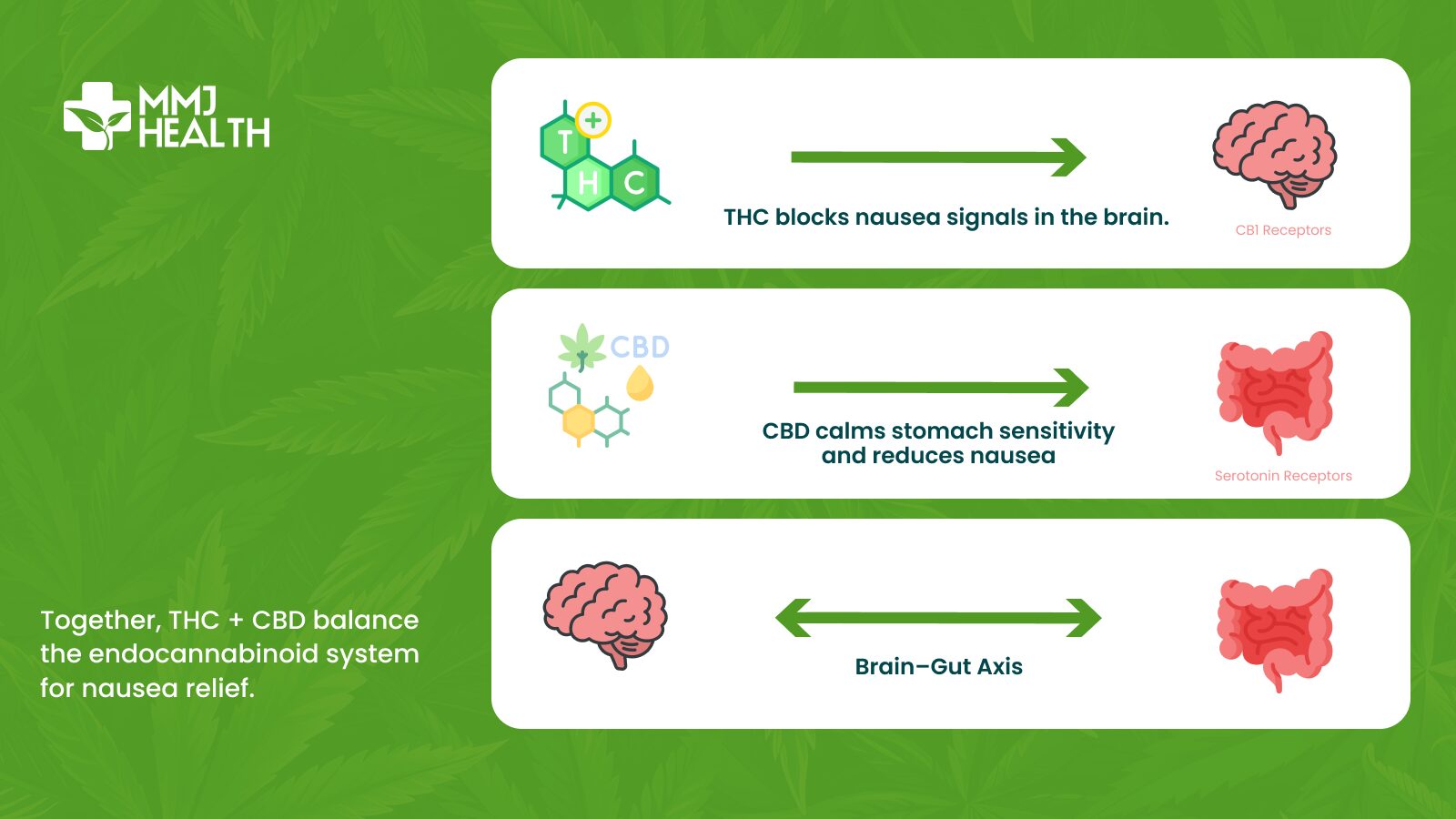
Have you ever wondered why cannabis works so well for nausea relief? Nausea can creep up for many reasons—chemotherapy, chronic illness, pregnancy, medications, or stress. When your stomach rebels, compounds in cannabis interact with your body’s endocannabinoid system to calm the nausea reflex. We like to lay it out to our patients how THC and CBD work together: a 2022 self‑reported study found that 96.4% of people felt relief within an hour of cannabis use, many within minutes. Another 2024 randomized trial showed that low doses of THC + CBD more than doubled the complete response rate for chemotherapy‑induced nausea. It’s no wonder that between 20–40 % of cancer patients turn to cannabis to manage nausea and other treatment‑related side effects.
Suffering from chronic nausea?
Let our certified medical marijuana doctors in Florida personalize a treatment plan for you. Book an online consultation today and explore whether medical cannabis could help.
Research Note: A wide variety of studies, across the board, show that THC (tetrahydrocannabinol) can bring down chemotherapy-induced nausea and vomiting (CINV), while CBD (cannabidiol), on the other end of the joint, can help regulate nausea without inducing any kind of a psychoactive high.
Indica vs Sativa: Key Differences
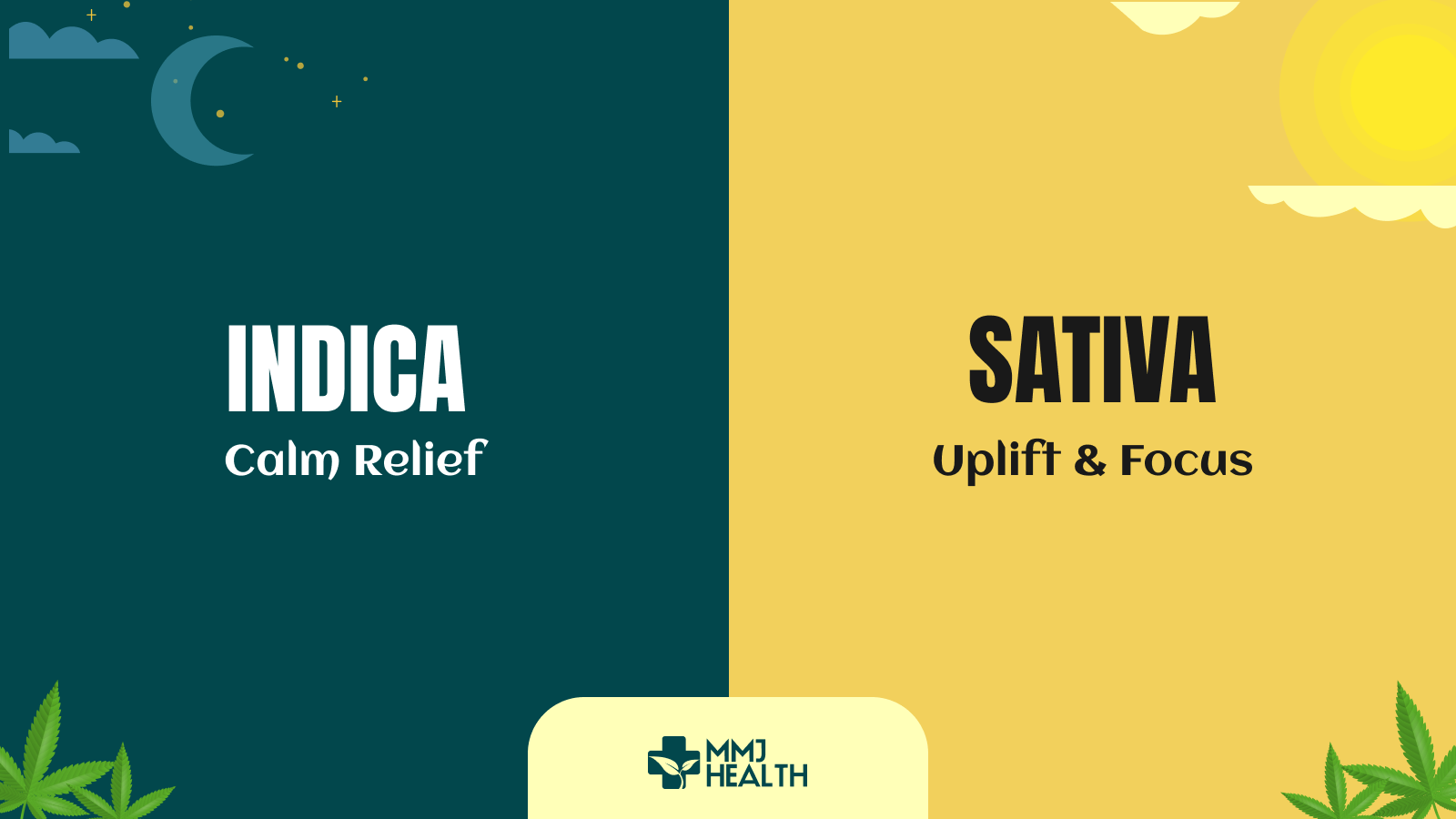
Cannabis plants fall into two broad chemical phenotypes—indica and sativa—with hybrids combining traits of both. Indica plants are shorter, bushier, and tend to produce a higher CBD to THC ratio, while sativa plants are taller and often have higher THC content. These chemical differences influence how each type affects your body and mind:
- Indica: Generally produces a calming, body‑heavy “bedtime” effect. Indica strains are often chosen to ease anxiety, pain, and insomnia, and can stimulate appetite and reduce nausea.
- Sativa: Produces an uplifting, cerebral “head‑high” that can boost mood and energy. Sativa strains are preferred for daytime use and may help counter fatigue, although overuse may cause insomnia.
- Hybrids: Blend traits of both types. Some are THC‑dominant for more potent relief, while others are CBD‑rich for a clear‑headed effect.
- High-CBD strains: Non-psychoactive or low‑psychoactive strains such as Harlequin offer anxiety relief without the “high”.
| Type | Typical effects | Suitable scenarios |
|---|---|---|
| Indica | Relaxing, sedative, body‑heavy; may ease anxiety, pain, and nausea) | Night‑time nausea; stress‑related or pain‑induced queasiness |
| Sativa | Energizing, mood-lifting; may boost appetite and focus | Daytime nausea, fatigue-related queasiness, low mood |
| Hybrids | A combination of calming and energising effects | Balanced relief when you need both relaxation and alertness |
| High‑CBD strains | Clear‑headed, non‑psychoactive relief | Ideal for beginners or those wanting relief without a “high” |
How Cannabis Relieves Nausea: Cannabinoids and Terpenes
Cannabis contains over a hundred cannabinoids and many aromatic compounds called terpenes. When it comes to cannabis and the variety of strains it proliferates into, THC is the primary psychoactive cannabinoid. It is also highly effective at reducing nausea and vomiting. CBD, the other strongman compound in our favorite plant, while non‑psychoactive, modulates serotonin receptors and may relieve nausea but is generally less potent than THC. Terpenes are basically aromatic oils that create an added nuance: Limonene has mood-elevating and anti-nausea properties, while myrcene contributes to sedation and anti-inflammatory effects.
| Compound | Role | Notes |
|---|---|---|
| THC | Potent anti‑nausea and appetite stimulant | Psychoactive; may cause sedation or dizziness |
| CBD | Modulates serotonin receptors for gentler relief | Non‑psychoactive; often paired with THC |
| Limonene | Uplifts mood, reduces stress and nausea | Common in citrus-smelling strains |
| Myrcene | Sedative, anti‑inflammatory, and anti‑nausea | High levels can produce “couch‑lock” |
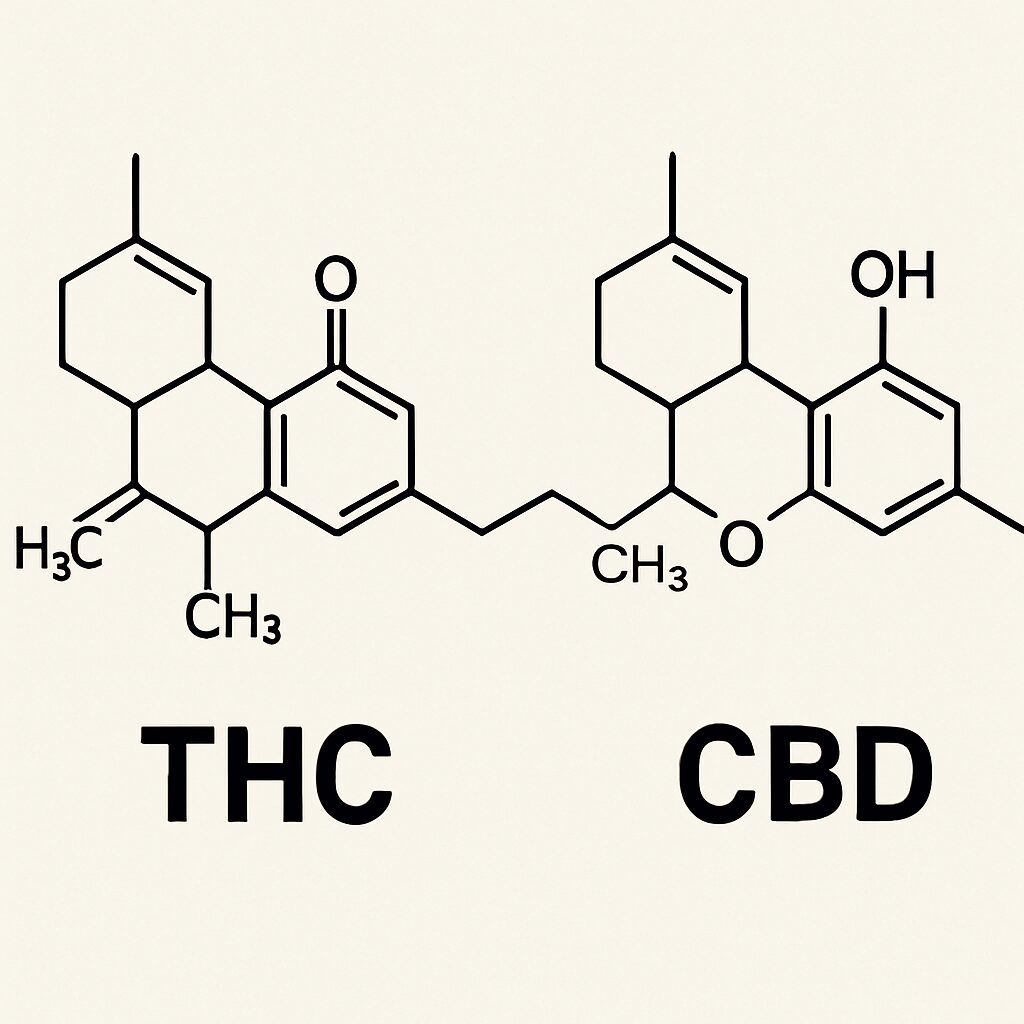
A comprehensive understanding of these components is a great way to select strains based on the desired effects and optimal outcomes for nausea relief.
Indica for Nausea: Pros and Cons
When our patients come to us with tales of torment of nausea that keeps them up at night, we often steer them towards an indica. These strains have been both proven and acclaimed for a warm, heavy sensation that can lull you into a relaxing nap and ease your stomach.
Pros: They help you cut down on your stress and anxiety, relieve pain, and can even help you sleep—an amazing use case if nausea keeps you up.
Cons: An excess of these strains can induce drowsiness or a heavy “couch‑lock” sensation, which some find unpleasant; they aren’t ideal, especially in environments that require you to stay alert.
Recommended indica strains
- Granddaddy Purple: Strong body-relaxing properties for night‑time nausea.
- Northern Lights: Sedating yet gentle; perfect for stress‑related queasiness.
- Harlequin (High‑CBD): Combines sativa genetics with high CBD for clear‑headed relief.
Not sure if an indica strain is what you need? Book a consultation with our physicians to explore strains and dosing customized to your symptoms.
Sativa for Nausea: Pros and Cons
On the other hand, some of our patients need to get through the workday even when their stomachs are in knots. That’s when we roll them towards sativas. These strains have a smooth tendency to uplift and energize.
Pros: They can boost mood and focus, making them useful when nausea is paired with fatigue or low energy. Many prefer sativas during the day so they can function and stay productive.
Cons: High-THC sativas may increase anxiety or overstimulation, particularly if you’re sensitive to THC; overuse may cause insomnia.
Recommended sativa strains
- Jack Herer: Uplifting and clear‑headed; helpful for daytime nausea with fatigue.
- Durban Poison: Energizing with a sweet taste; supports appetite without sedation.
- Sour Diesel: Strong cerebral effect that can counteract low mood.
The Role of Hybrids and High-CBD Strains
Some people want the best of both worlds. When a patient tells us they need to be calm but not sedated—or awake but not jittery—we recommend a hybrid. These strains combine indica and sativa traits, offering balanced relief. If the nausea comes with anxiety, pain, or insomnia, an indica‑dominant hybrid might help you ease the symptoms without heavy sedation.
If nausea is linked to low energy or depression, a sativa‑dominant hybrid may lift your mood while still soothing your stomach. High-CBD strains such as Harlequin offer gentle relief with little to no psychoactive effect
Tip: If you’re unsure where to start, consider a balanced hybrid or CBD-rich strain under the guidance of a medical cannabis doctor.
Recommended hybrids
- Blue Dream: Balanced relaxation and gentle uplift; suitable day or night.
- Pineapple Express: Tropical flavour with a creative buzz.
- ACDC (High‑CBD): Minimal psychoactive effects; easy for beginners.
Best Cannabis Strains for Nausea Relief
Here are some well-regarded strains:
- Granddaddy Purple (Indica): Calming, great for nighttime nausea
- Northern Lights (Indica): Relaxing and pain-relieving
- Jack Herer (Sativa): Uplifting, helps with daytime nausea and fatigue
- Blue Dream (Hybrid): Balanced relaxation with gentle uplift
- Harlequin (High-CBD): Minimal psychoactive effects, beginner-friendly
Quick Tip: If you need quick symptom relief, opt for strains with higher THC under professional guidance.
Choosing the Right Strain and Consumption Method
Personal chemistry, current medications, and the cause of your nausea all influence which strain will work best. When I’m guiding a patient, we talk not only about which plant to use but also about how to use it. The method of consumption plays a big role:
- Smoking/Vaping: Fastest onset (minutes), making it ideal for sudden nausea. However, smoking may irritate the lungs; vaporizing is gentler.
- Edibles: Longer onset (30–90 minutes) but extended relief. Choose low doses to start; effects can last 4–8 hours.
- Tinctures/Oils: Versatile; you can place drops under the tongue for quick absorption or add them to food.
| Method | Onset (approx.) | Duration |
|---|---|---|
| Smoking/Vaping | 5–15 minutes | 2–4 hours |
| Edibles | 30–90 minutes | 4–8 hours |
| Tinctures/Oils | 15–45 minutes (sublingual); 30–90 minutes (ingested) | 3–6 hours |
Safety, Side Effects, and Legal Considerations
Whenever we prescribe cannabis, we also talk with patients about safety. While cannabis can bring relief, it isn’t risk‑free. We remind them to start low and go slow, because common side effects include dry mouth, dizziness, anxiety, changes in appetite, and fatigue. THC‑rich products may cause mood changes, impaired motor skills, or paranoia.
There’s also this rare condition known as cannabinoid hyperemesis syndrome (CHS), in which chronic heavy use triggers cyclic vomiting. If you experience persistent vomiting or abdominal pain with cannabis use, seek medical help immediately.
The legal sweep in the Sunshine State is making headway. Florida today allows medical cannabis for qualifying patients, but recreational use remains illegal. A proactive “safety-first” approach to marijuana-related confusion is to always check your state laws and purchase products from licensed dispensaries.
Research-Backed Evidence
Recent studies continue to clarify how cannabinoids work for nausea:
- Chemotherapy trial (2024): Capsules containing 2.5 mg THC + 2.5 mg CBD taken three times daily improved complete response rates from 8% to 24%. Though sedation (18% vs. 7%) and dizziness (10% vs. 0%) were more common.
- Self‑reported study (2022): 96.4% of all patients who took this for nausea experienced relief within an hour; the higher the THC, the greater the relief experienced.
- Patient usage: Between one‑fifth and two‑fifths of all cancer patients partake in cannabis use to manage treatment‑related side effects.
These data underscore both cannabis’s potential and the need for individualized care.
Have questions about dosing or interactions with your medications? Our physicians are here to help. Schedule a consultation and get expert advice tailored to your situation.
About Our Services in Florida
At MMJ Health, we’re dedicated to guiding you through every step of the medical cannabis journey. Here’s what sets our Florida practice apart:
- Personalised consultations: Patients meet with Dr Anne Morgan or a member of our team of qualified medical marijuana physicians for one‑on‑one care.
- Easy qualification process: We help you check whether your condition qualifies in Florida, schedule your consultation, apply through the state program, and receive your card.
- Transparent pricing and risk‑free evaluations: Our consultation fees are among the most competitive, and if you don’t qualify for a medical marijuana card, you don’t pay a thing.
- Convenient locations and telehealth: We operate 19+ clinics across Florida and offer telehealth follow‑ups for renewals. Many patients can get certified the same day—your approval email acts as a temporary ID while you wait for the card.
Comprehensive appointments: In one visit, we review your medical history, assist with registry entry, provide smokeable certification if appropriate, and create a customized treatment plan.
Quick FAQ
Medical Disclaimer
This article is for educational purposes only and is not a substitute for medical advice. Always consult a licensed medical marijuana doctor before starting or changing treatment.
Final Thoughts: Indica vs Sativa for Nausea
There’s no one-size-fits-all answer. The best choice depends on your symptoms, time of day, and tolerance:
- For nighttime nausea or stress-related nausea: go with an indica-dominant strain.
- For daytime nausea or fatigue-related nausea, a sativa-dominant or balanced hybrid may work better.
Experiment carefully and consult a medical professional to find what works best for you.
Need expert guidance to find the right strain for your nausea?
👉 Book an online consultation with an MMJ Health provider today to get a personalized treatment plan tailored to your needs.
