


Quickly receive a legitimate ESA certification*
Clear. Legitimate. Backed by licensed providers.
Choose the Emotional Support or Service Animal certification that fits your needs—no subscriptions, no hidden fees.30% OFF for MMJ Health patients
Already a MMJ Health patient?
Receive an exclusive discount on any ESA or Service Animal certification.
MMJ Health does not train or certify service animals. Service animal evaluations are limited to assessing whether a patient meets the clinical criteria related to a qualifying disability.
You can be free from pet restrictions in rentals as landlords are legally obliged to allow ESAs in most housing situations.
You won’t have to pay hefty pet deposits and monthly fees with an ESA certification.
With this certificate in hand, some airlines can allow ESAs in the cabin for stress-free travel with your pet.
For service animals, you’ll need a letter or certificate from a licensed healthcare professional. A doctor, therapist, or psychiatrist must document your disability and how a service animal can help you in specific tasks. These certificates should be on official letterhead and include the professional’s license details. Additionally, while not legally mandated, some public spaces might request documentation showcasing your service animal’s training.
For emotional support animals, you’ll only need a letter or certificate from a licensed mental health professional (LMHP) confirming your situation and need for the emotional support your animal provides. This letter should be written on the LMHP’s official letterhead and dated within a year of requesting housing or travel accommodations with your ESA.
However, it is extremely important to understand that an emotional support or service animal certification doesn’t give you unrestricted access everywhere. Familiarize yourself with your rights under the ADA and other relevant laws.
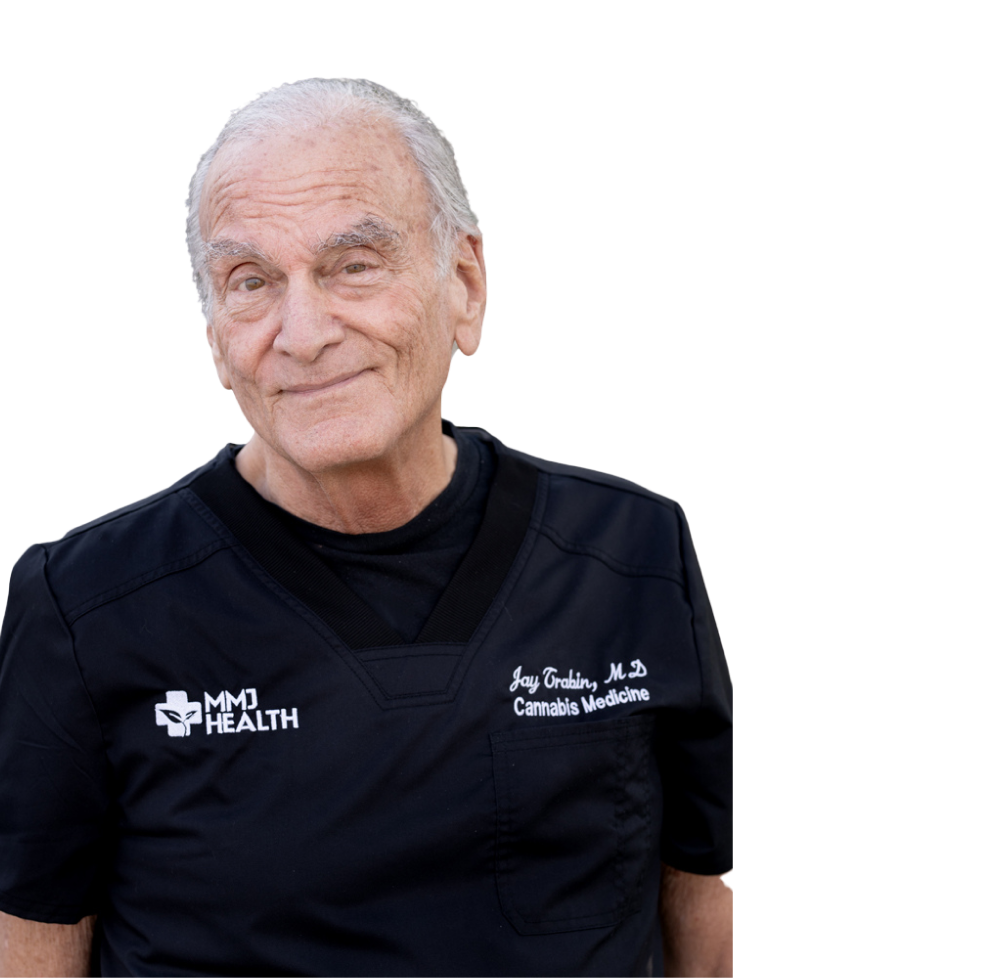
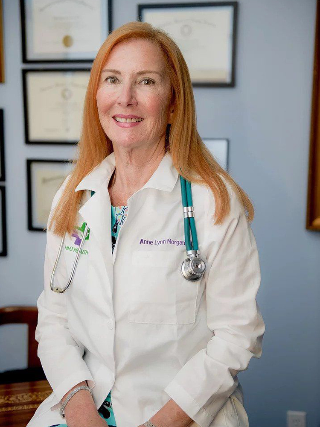
Every evaluation is conducted by a licensed healthcare professional trained to assess emotional and mental health needs—confidentially and with care
Licensed Physician • 47+ Years Experience
Experience: 32+ years in family medicine; former Medical Director for United Health, Humana, and Metropolitan Health.
Specialties: Medical Marijuana Medicine, Family Medicine.
Patient Approach: Personalized treatment plans tailored to individual needs and goals.
Medical School/Certifications: Board-certified by the Society of Cannabis Clinicians and the American Academy of Cannabis Medicine; Diplomate of the American Academy of Family Physicians.
Experience: 30+ Years in Holistic Medicine, Former Founder & Medical Director of Women for Women; Co-Founder of P.L.A.N.T.S. for Lyfe; Public Speaker & Educator in Medical Cannabis
Specialties: Cannabis Advocate, Educator, Consultant
Patient Approach: Advocates for holistic and plant-based treatments, emphasizing patient education in cannabis medicine.
Medical School/Certifications: Emory University School of Medicine; certified by The Medical Cannabis Institute.
Experience: 47 years of medical practice specializing in gynecology and pelvic pain management.
Specialties: Gynecology, Pelvic Pain Management, Medical Marijuana Medicine.
Patient Approach: Expertise in managing complex gynecological conditions with cannabis-based treatments.
Medical School/Certifications: Thomas Jefferson College of Medicine; DEA Certified.
Experience: Family Medicine and Aesthetic Medicine practitioner with a focus on medical marijuana treatments.
Specialties: Aesthetic Medicine, Family Medicine, Medical Marijuana Medicine.
Patient Approach: Tailored treatment plans based on individual patient goals.
Medical School/Certifications: Residency at Larkin Community Hospital, Palm Springs Campus.

Experience: Over 14 years in urgent care, chronic care management, and telehealth.
Specialties: Emergency Medicine, Pain Management, Chronic Care.
Patient Approach: Comprehensive care addressing chronic pain and urgent medical needs.
Medical School/Certifications: Michigan State University Residency in Emergency Medicine.
Experience: Extensive background in Internal Medicine and Medical Marijuana Medicine.
Specialties: Internal Medicine, Medical Marijuana Medicine.
Patient Approach: Focused on improving health outcomes through cannabis-based therapies.
Medical School/Certifications: Rutgers New Jersey Medical School; Board-certified in Internal Medicine.

Experience: Trained in Internal Medicine; residency completed at NYU Langone Hospital—Suffolk.
Specialties: Internal Medicine, Medical Marijuana.
Patient Approach: Comprehensive and compassionate care centered around individual patient needs.
Medical School/Certifications: Graduate of Xavier University School of Medicine; certified in Medical Marijuana treatment.

At MMJ Health, we specialize in getting your ESA certification and ID card.
At MMJ Health, we streamline the process of getting the documentation you need to welcome your support animals into your life. We specialize in providing ESA certification and ID cards written by a licensed healthcare professional on our official letterhead. Currently, we offer our services to MMJ Health patients for an annual $75 certification and to non-MMJ patients for $150.
Our process is built around privacy, legitimacy, and clinical standards—so patients know exactly what they’re getting, and why it matters.
Find answers to the most common questions about getting your medical marijuana card.
While a service animal and emotional support animal can both assist with common disabilities, they are pretty different in terms of their tasks. Service animals are trained to perform specific actions that mitigate a disability (for example, seizure alert dogs). ESAs provide emotional comfort but don’t require special training. They help with anxiety, depression, etc., but don’t have public access rights beyond housing.
Emotional support dogs don’t have inherent rights beyond those provided by their handler’s disability. However, the Fair Housing Act (FHA) protects them. With a proper ESA certificate, they can live in no-pet housing and may be allowed on some airlines and public places. But they must be well-behaved and leash-trained in public spaces.
Landlords should generally make reasonable accommodations by waiving “no-pet” rules for ESAs with proper documentation. Under the Fair Housing Act, landlords cannot turn away disabled tenants and their ESAs. However, if a person with disabilities wants to live in a “no-pet” rental, they need to provide an ESA certificate from a licensed health professional.
Yes, a person can potentially have more than one emotional support animal as long as a licensed health professional confirms that each animal is necessary for your situation and certifies that you will be able to manage both of them responsibly. Additionally, it’s also mandatory for each animal to meet reasonable housing standards.
Generally, bringing your emotional support animal to work isn’t allowed by law. However, the criteria for the same depends on your specific workplace policies. Some employers may allow ESAs at request. It’s always best to discuss your request with your HR department and provide the emotional support animal certification as proof.
The ESA application process is very simple. Here’s a quick rundown: